A pairing without the wine
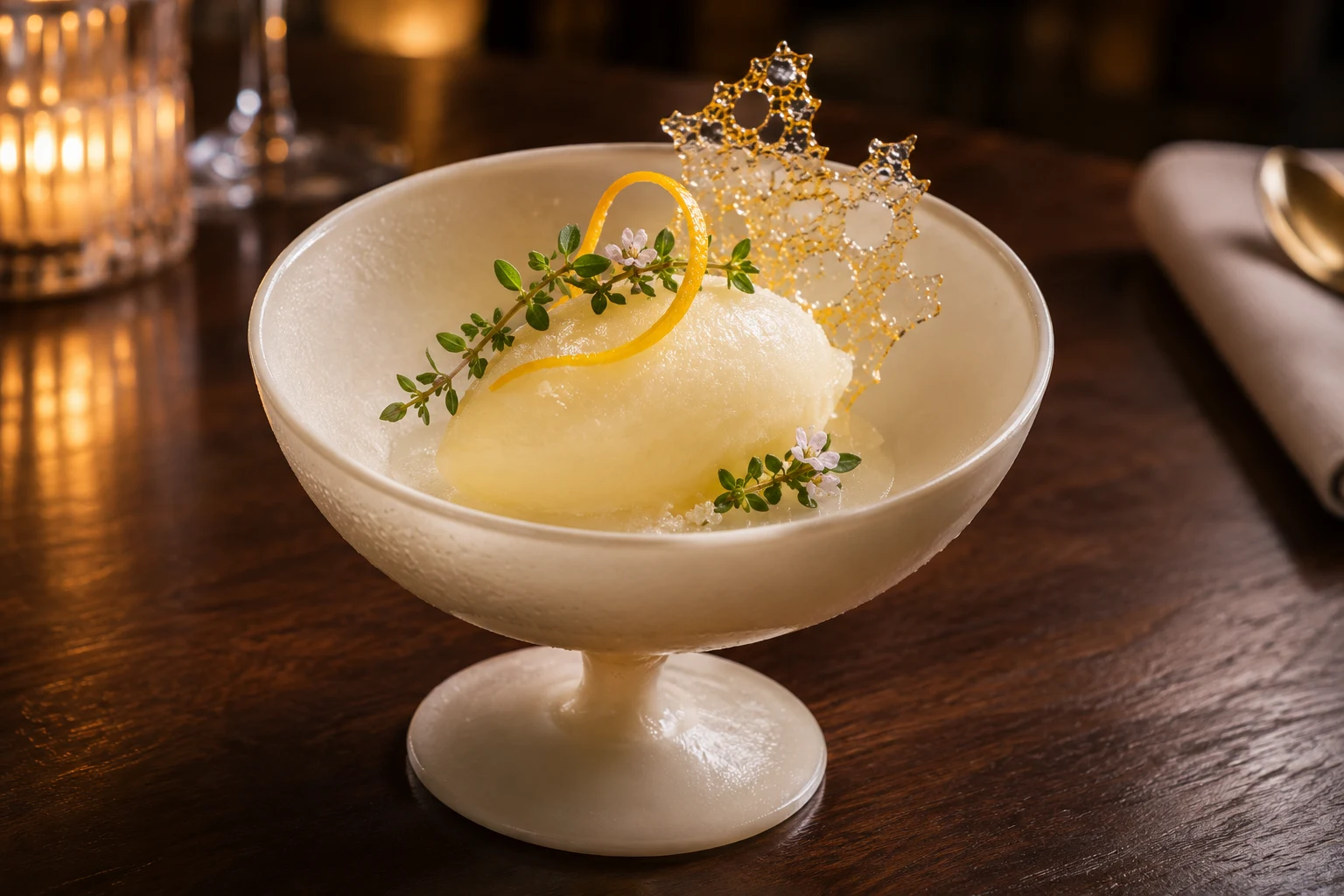
Fruit, tea and herbs can carry a meal with as much care as a cellar selection. Here is how our alcohol-free pairing follows the courses.
Read the story →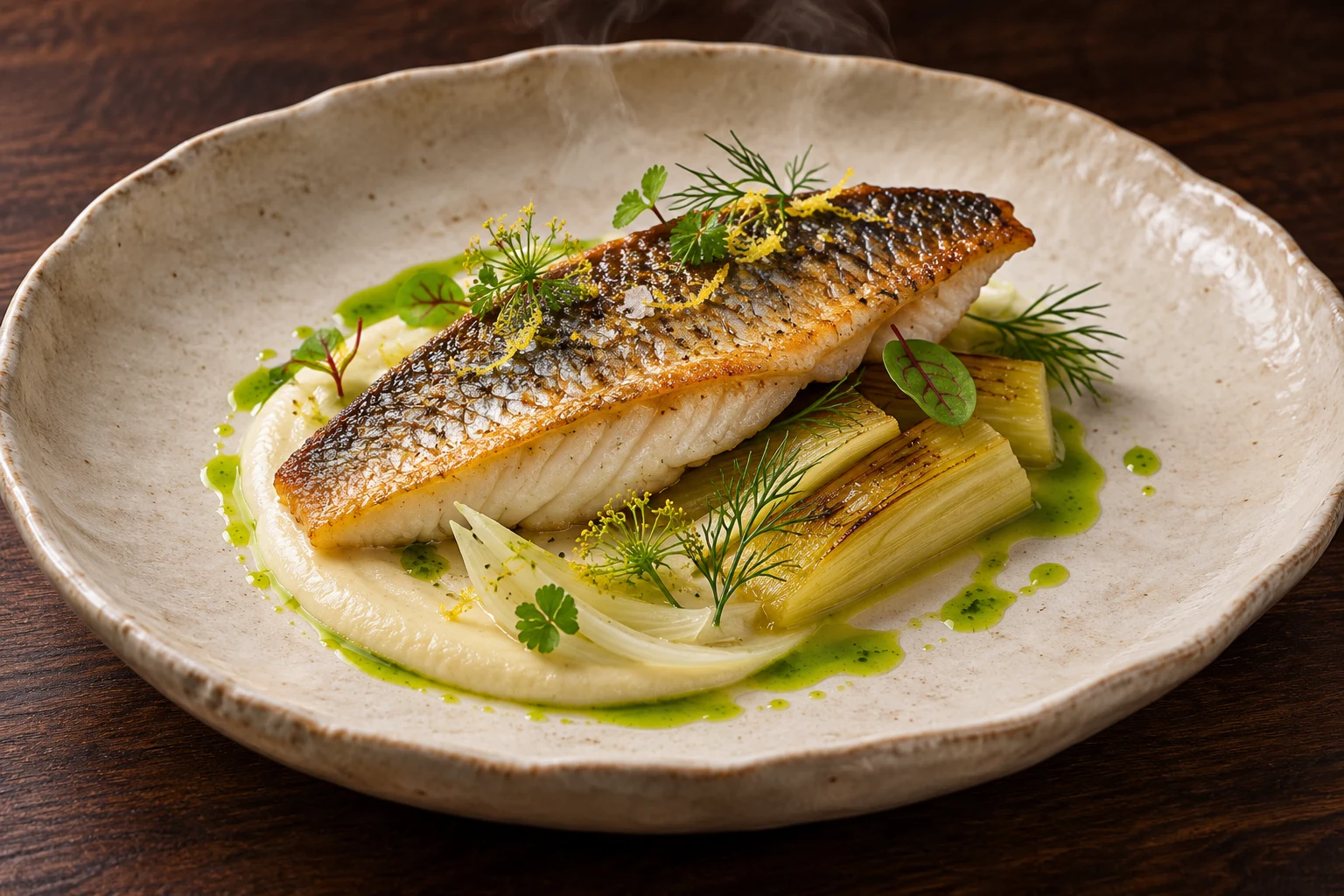
Kitchen notes
A quieter plate can make an ingredient easier to understand. Mara shares how the kitchen decides what belongs, what supports it and what can be left out.
A good dish starts before the pan is warm. We look for fish with a clean scent, vegetables with a firm texture and fruit that tastes of the season. Technique gives those ingredients a useful shape; it cannot replace their character.
The sea bass needs a crisp edge, a soft vegetable and a sauce that brings acidity without shouting. Adding another garnish only helps if it changes the experience. We taste a complete forkful before deciding.
Space on a plate has a practical purpose. It gives the sauce somewhere to settle and makes the first cut easy. The meal should invite curiosity without asking the guest to solve a puzzle.
Ask your host which ingredient led the evening’s dish. The answer often reveals more than a long description of technique: a box of excellent fennel, a particularly sweet leek or fish that arrived in beautiful condition. We enjoy sharing those small starting points.
More to share
 20OCT
Fruit, tea and herbs can carry a meal with as much care as a cellar selection. Here is how our alcohol-free pairing follows the courses.
Read the story →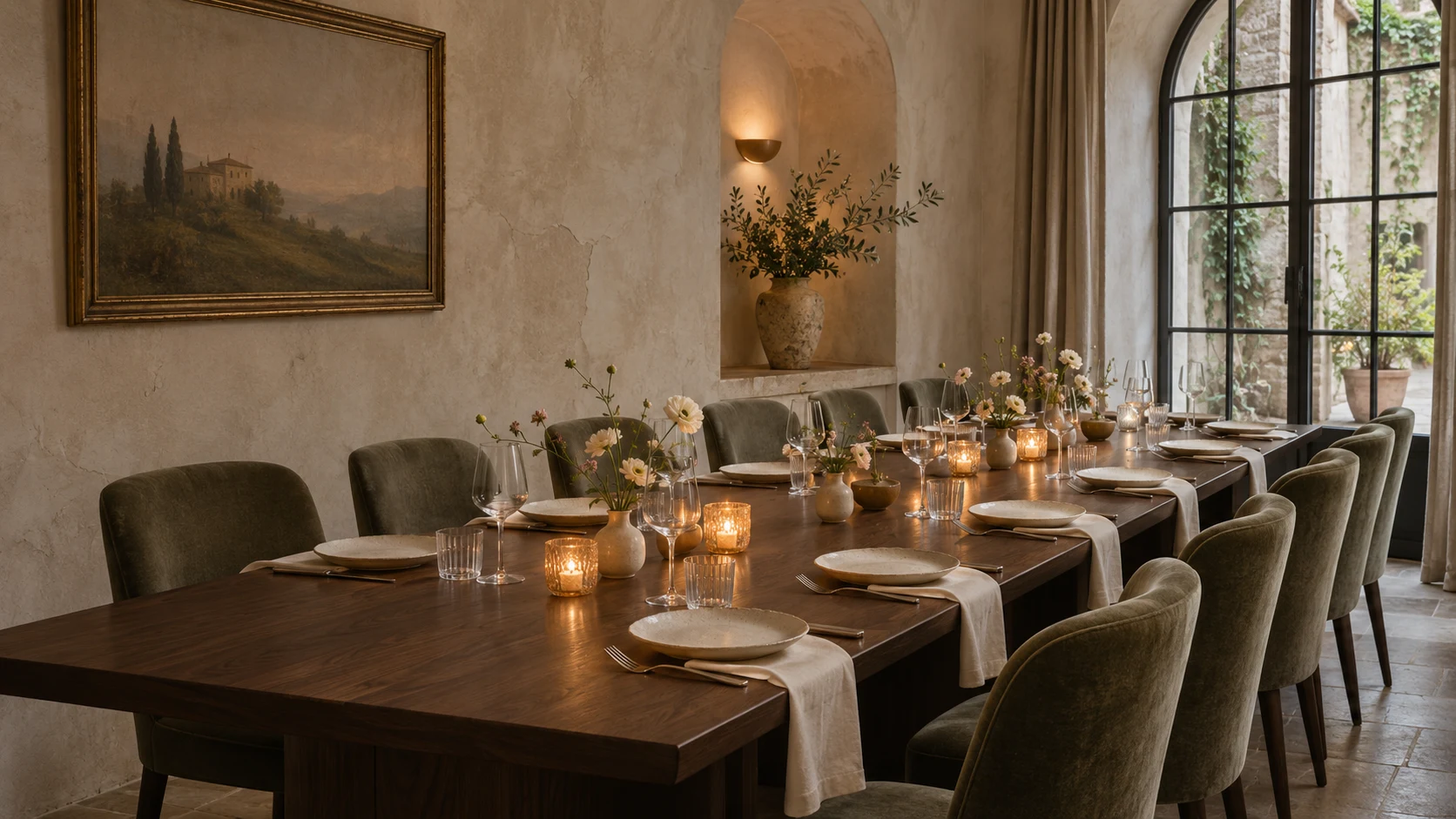 17OCT
A shared table, a seasonal menu and enough time between courses. Planning notes for a private supper with the people who matter.
Read the story →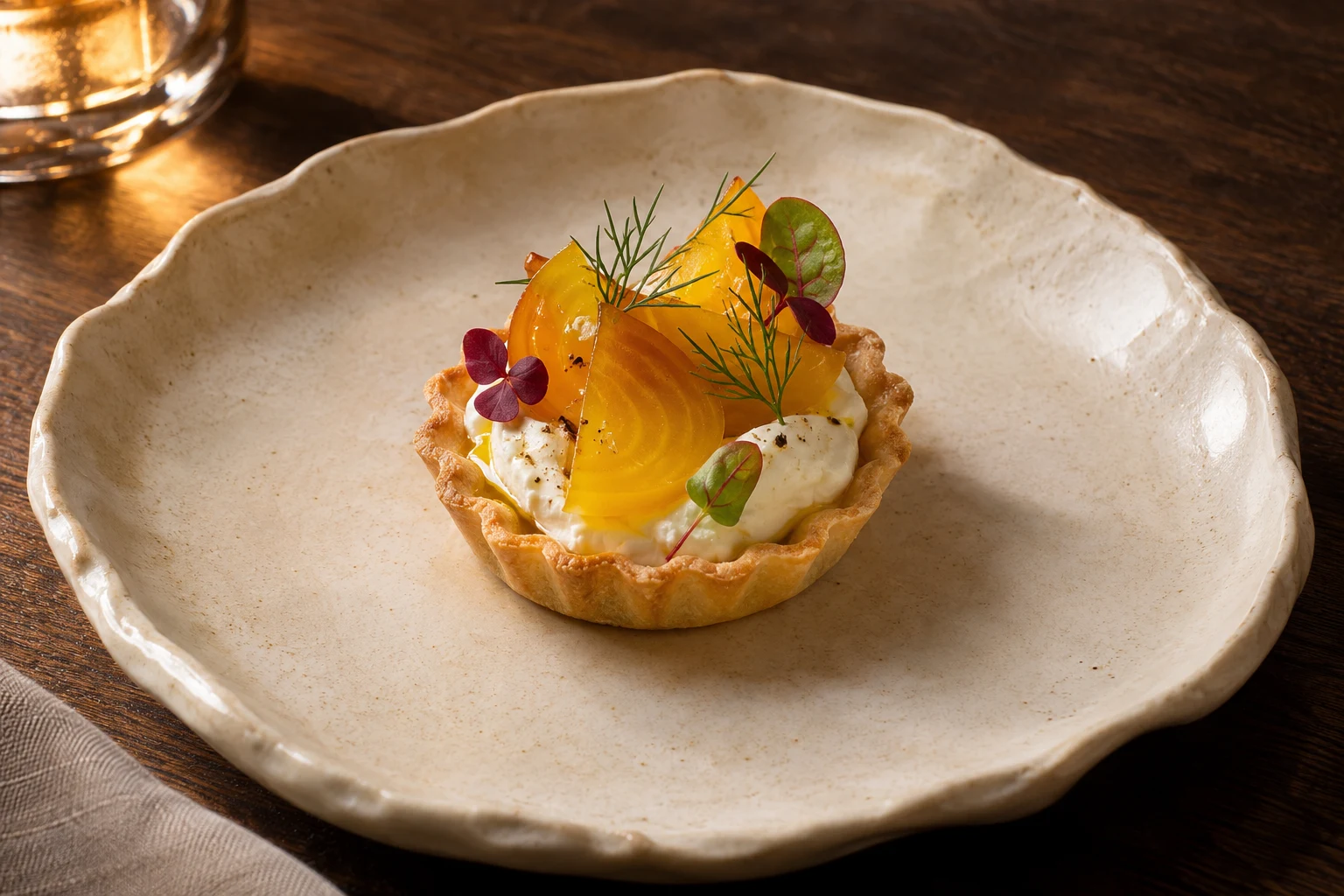 14OCT
The afternoon’s produce gives the kitchen its first direction. We explain how a small seasonal menu stays flexible without losing its identity.
Read the story →