Why we leave room on the plate
A quieter plate can make an ingredient easier to understand. Mara shares how the kitchen decides what belongs, what supports it and what can be left out.
Read the story →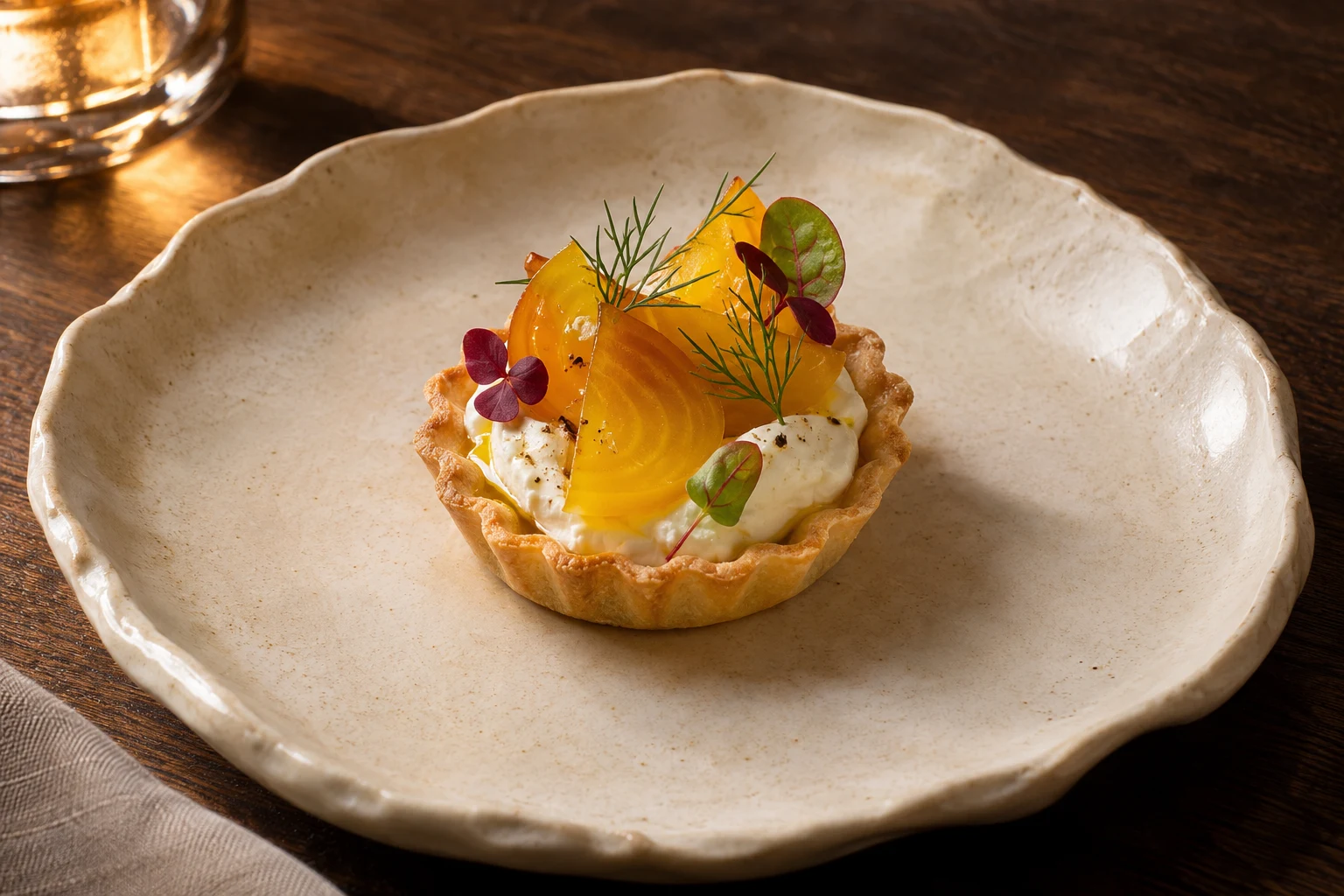
Ingredients
The afternoon’s produce gives the kitchen its first direction. We explain how a small seasonal menu stays flexible without losing its identity.
The season is a useful guide, but the market tells a more detailed story. Weather changes flavour and supply. We choose what tastes good now and adapt supporting ingredients around it.
Leaves can become an oil, stems can enrich a stock and a roast vegetable can appear in more than one preparation. Planning this way reduces unnecessary waste and creates connections across the menu.
If an ingredient changes, the host explains it before the order is taken. Guests should know what they are choosing and why the kitchen has made the change. A shorter, accurate menu is better than a long promise.
The host will describe any changes before an order is taken, including the ingredients that affect allergies or dietary choices. Please ask if a familiar dish sounds different. The aim is a more accurate, enjoyable meal rather than a surprise that arrives only with the plate.
More to share
 20OCT
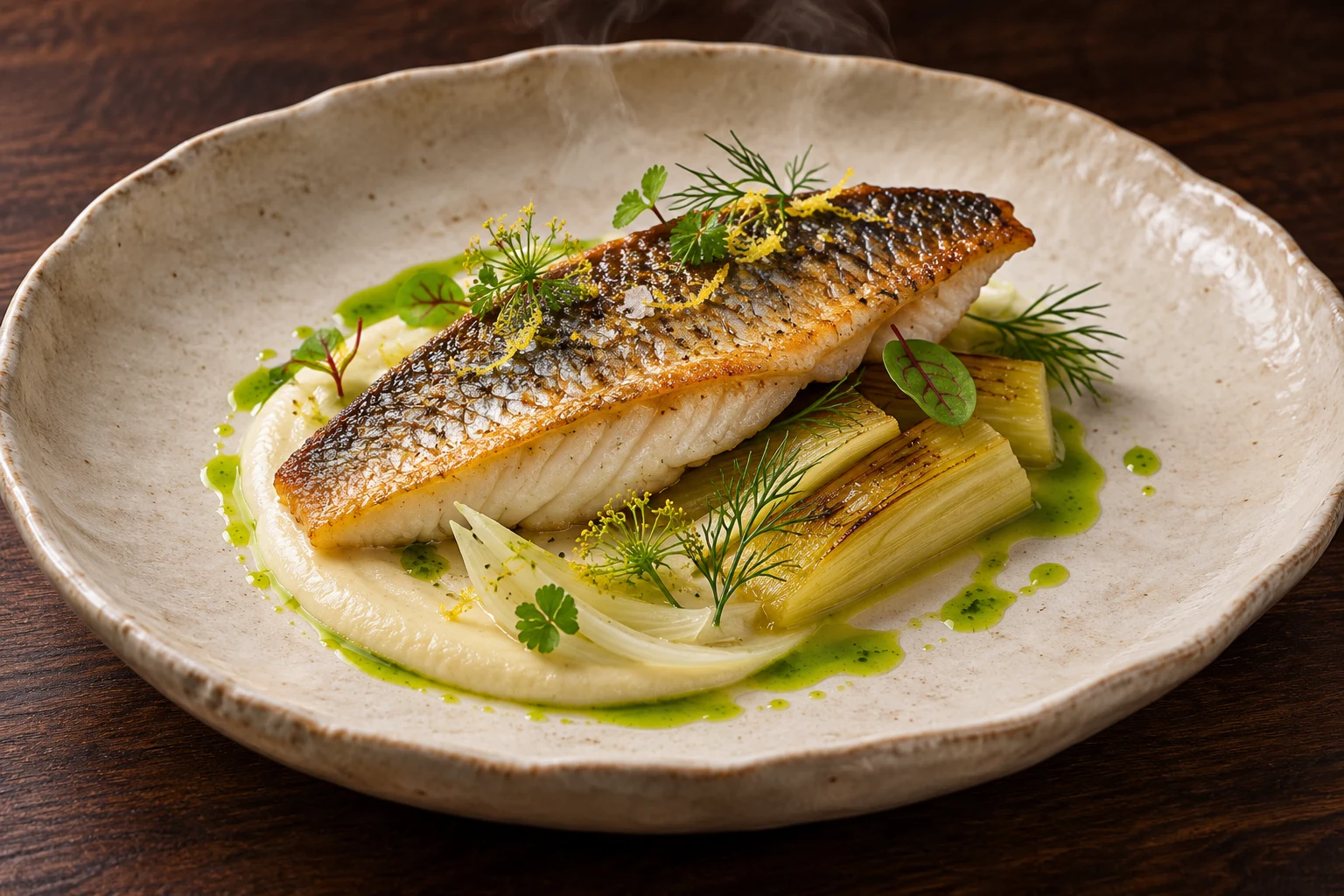
A quieter plate can make an ingredient easier to understand. Mara shares how the kitchen decides what belongs, what supports it and what can be left out.
Read the story →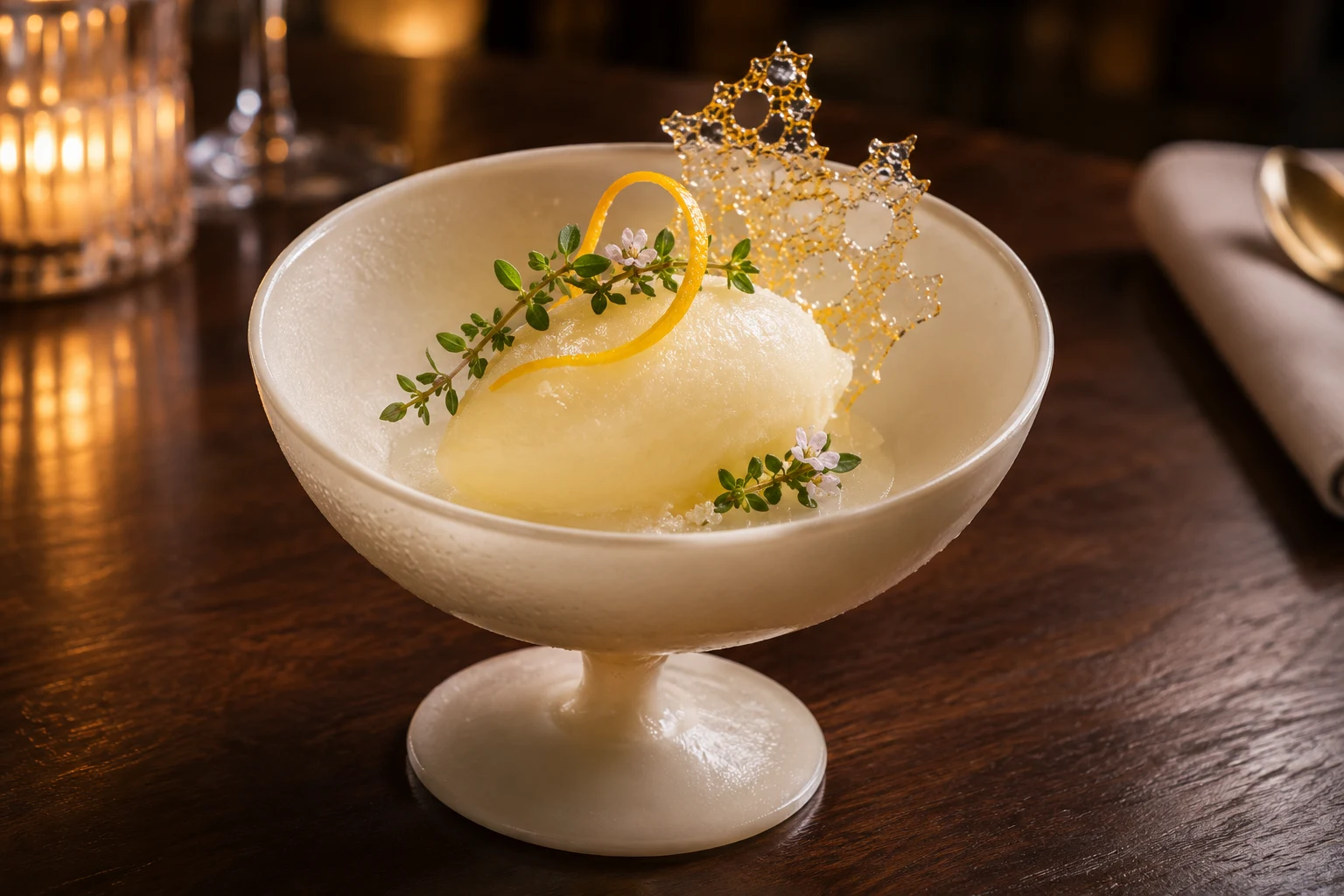 17OCT
Fruit, tea and herbs can carry a meal with as much care as a cellar selection. Here is how our alcohol-free pairing follows the courses.
Read the story →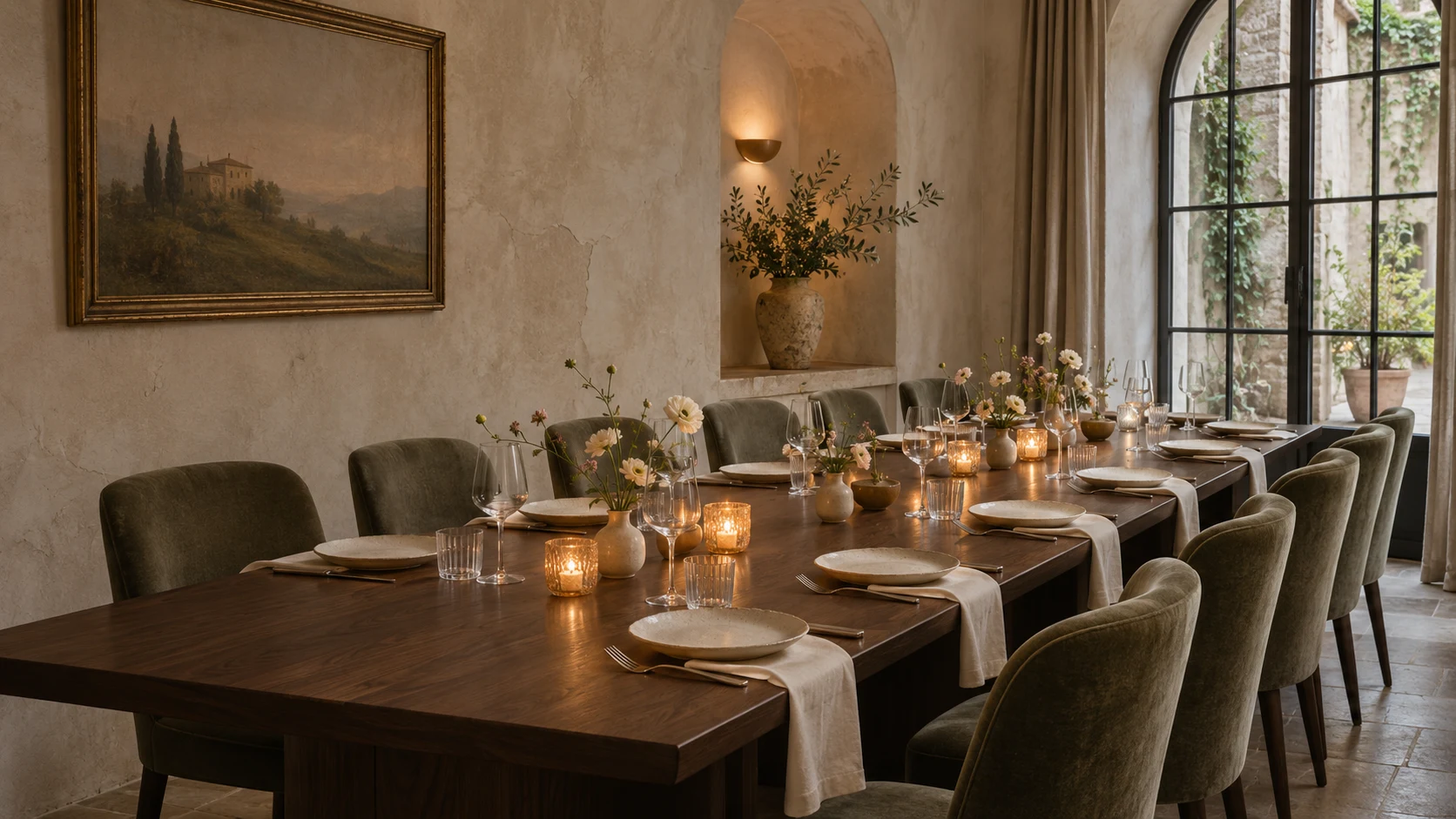 14OCT
A shared table, a seasonal menu and enough time between courses. Planning notes for a private supper with the people who matter.
Read the story →